Do home lifts need inspection? QCVN 32:2018 and the key dates
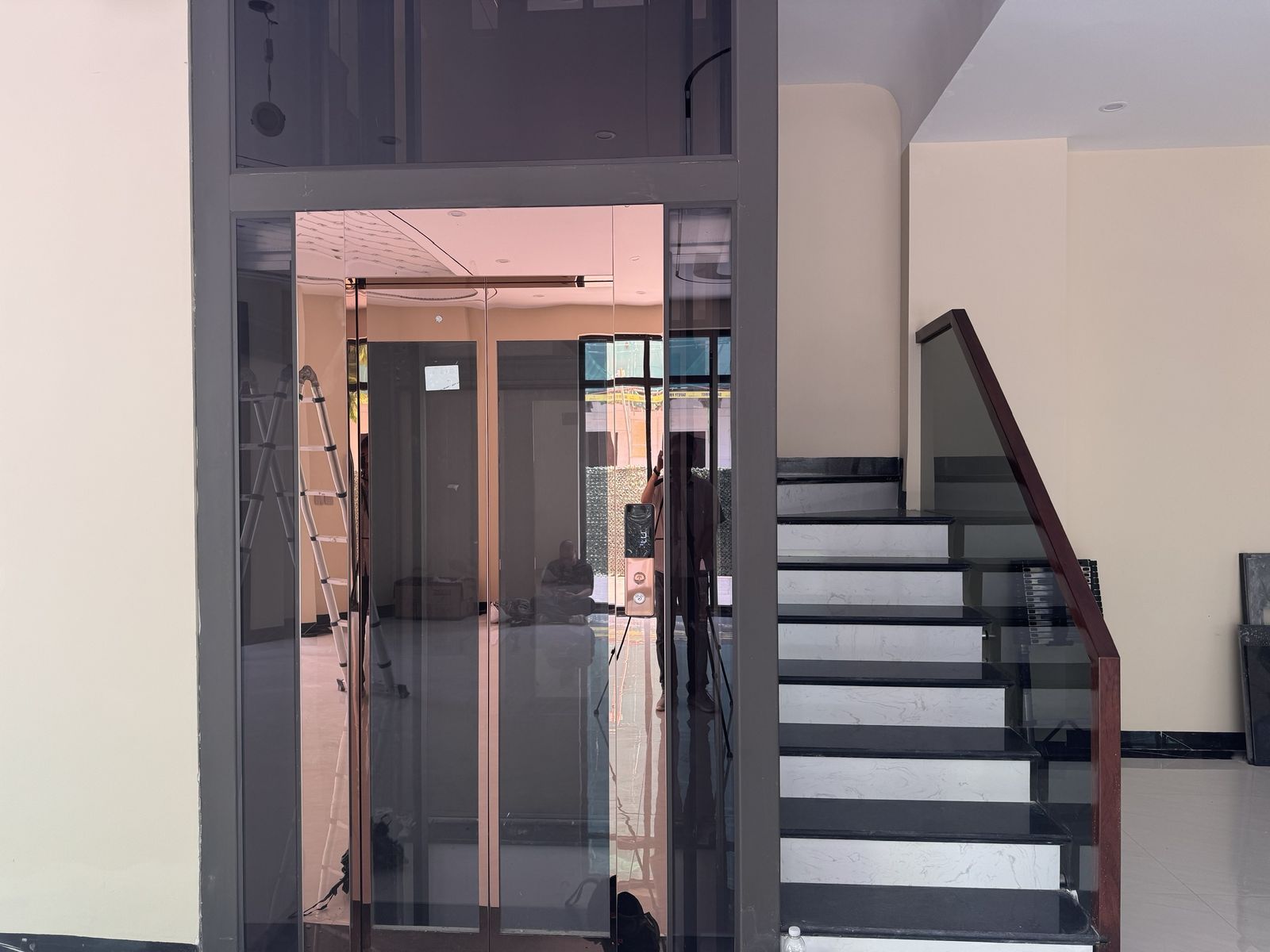
Many owners think a lift in a private home does not need inspection. In fact, lifts are equipment with strict occupational safety requirements; home lifts have their own regulation, QCVN 32:2018/BLĐTBXH, and must be inspected before being put into service and periodically after that.
1. Home lifts under QCVN 32:2018
QCVN 32:2018/BLĐTBXH (issued with Circular 15/2018/TT-BLĐTBXH, in force from 1 March 2019) is the national technical regulation on occupational safety for home lifts. Under its scope, a home lift has a rated speed of no more than 0.3 m/s, an available cabin floor area of no more than 1.6 m² (each side at least 0.6 m) and a travel of no more than 15 m. Lifts beyond these limits are designed and inspected as ordinary lifts under QCVN 02:2019/BLĐTBXH.
Notable requirements of QCVN 32:2018:
- Rated load of at least 200 kg per square metre of cabin floor, and at least 115 kg.
- At least 20 mm between any projecting part of the cabin and the shaft wall; no more than 30 mm horizontally between the car sill and the landing sill.
- A safety space under the cabin when it rests on the mechanical stop device (a block of at least 1,370 × 450 × 600 mm or 600 × 500 × 1,290 mm).
- Manual and electrical rescue systems, with the manufacturer's rescue procedure.
2. Three types of inspection
- Initial inspection: after installation, before the lift is put into service.
- Periodic inspection: when the previous inspection expires.
- Extraordinary inspection: after major repairs or replacements affecting safety, after an incident, or at the request of the authorities.
3. Periodic inspection intervals
Under QCVN 32:2018 (section 5.2), home lifts in normal use are inspected at least once every 3 years; lifts in use for more than 10 years at least once every 2 years. The interval can be shorter on the manufacturer's advice, at the owner's request or on the inspection body's assessment (which must then state its reasons in the report).
The date of the next inspection is written in the inspection report and certificate. Owners should mark it in the calendar so it does not lapse.
4. What the inspection involves
The current lift safety inspection procedure is QTKĐ 02-2021/BLĐTBXH, issued with Circular 12/2021/TT-BLĐTBXH (in force from 15 November 2021). It applies to lifts under QCVN 02:2019/BLĐTBXH and QCVN 32:2018/BLĐTBXH and refers to TCVN 6396-20:2017, TCVN 6396-50:2017 and TCVN 6396-21:2020 (for existing buildings). The main steps:
- Document check: the lift's log, certificate of conformity (for the initial inspection), shaft drawings and as-built records for newly installed lifts.
- Visual inspection: shaft, pit, landing doors, cabin, machine, control panel.
- Technical check – no-load tests: safety switches, landing door locks, travel limits, rescue.
- Load tests: brake, safety gear, overspeed governor and buffers.
- Report and certificate if the lift passes.
5. Low-speed lifts
The QTKĐ 02-2021 procedure states that it does not apply to lifts with a rated speed of 0.15 m/s or less. Some imported screw-drive lifts and lifting platforms fall within this range. For these, owners should ask the supplier to state the product standard applied (for example EN 81-41 for vertical lifting platforms in Europe), the certificate of conformity and how periodic safety checks will be carried out.
6. Records owners should keep
- Contract, handover record, user manual
- CO and CQ for the main equipment, certificate of conformity
- Every inspection report and certificate
- Maintenance log and spare part replacements
- Rescue procedure and the maintenance provider's phone number posted at the landing door
ASAHI works with licensed inspection bodies to inspect lifts before handover and reminds owners of periodic inspections during the maintenance period.
Frequently asked questions
How often must a home lift be inspected?
Under QCVN 32:2018, at least once every 3 years; lifts in use for more than 10 years at least once every 2 years. The exact date is written on the inspection certificate.
Who carries out the inspection?
A licensed occupational safety inspection body. The installer usually coordinates the inspection before handover.
Does a major repair require re-inspection?
Yes. After repairs or replacements affecting safety, or after an incident, the lift must undergo an extraordinary inspection.
- QCVN 32:2018/BLĐTBXH – text of the regulation (Hệ thống pháp luật, in Vietnamese)
- Periodic inspection interval for home lifts (Thư viện Pháp luật, in Vietnamese)
- Circular 12/2021/TT-BLĐTBXH – lift safety inspection procedure (LuatVietnam, in Vietnamese)
- QCVN 02:2019/BLĐTBXH – Occupational safety for lifts (Thư viện Pháp luật, in Vietnamese)
- EN 81-41:2024 – Vertical lifting platforms (EVS)
This article is for general reference. Figures for each project follow the site survey and the lift supplier's drawings; regulations may be updated, so owners should check the original texts.

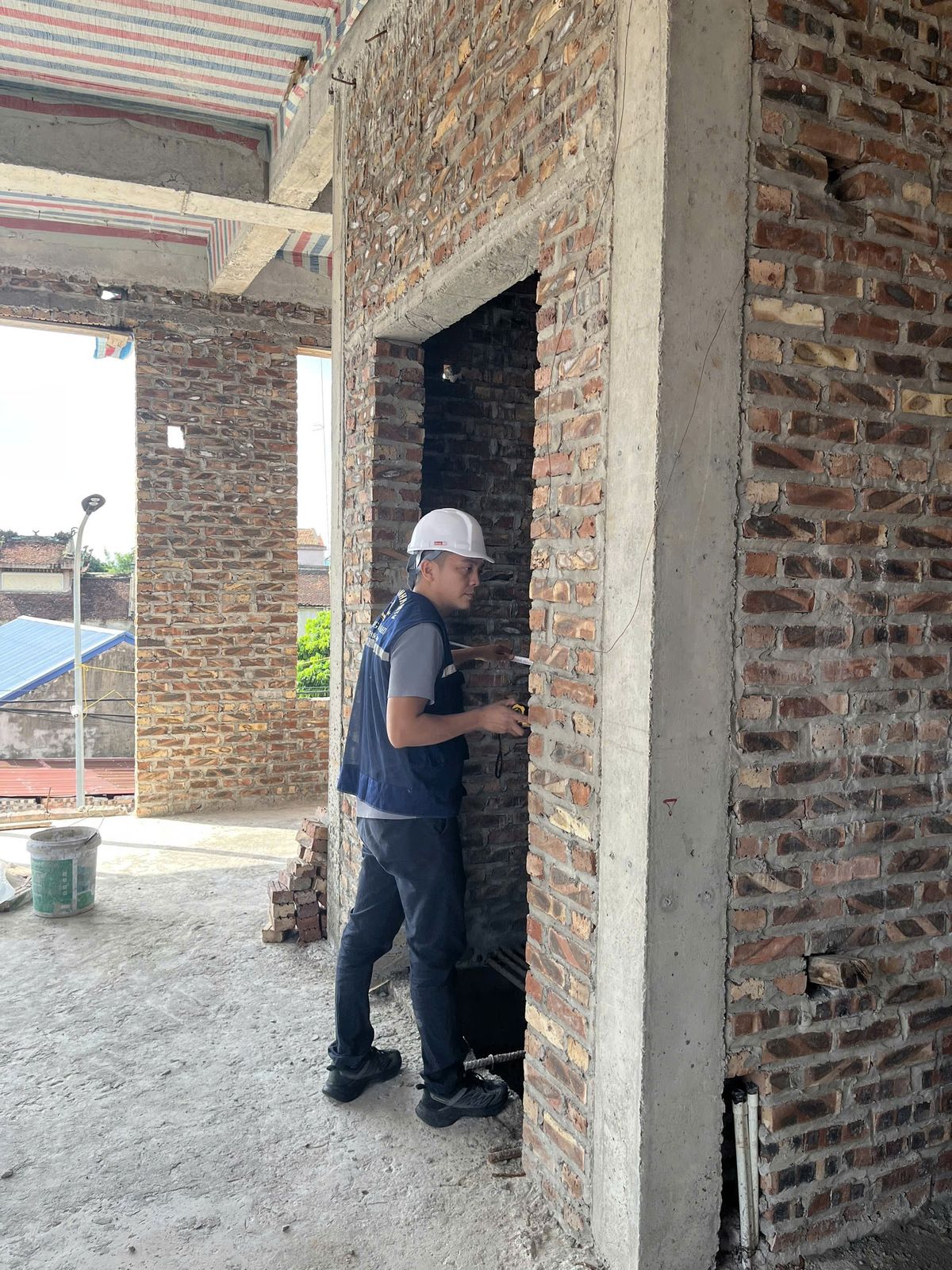
Engineers who survey and install home lifts at Vinhomes Ocean Park and Vinhomes Global Gate.