Reducing lift noise and vibration in a townhouse

In a townhouse the shaft often sits in the middle of the house, next to a bedroom or the altar room. A smooth lift goes almost unnoticed; a lift that shakes or squeals at every stop disturbs the whole family every day.
1. Where lift noise comes from
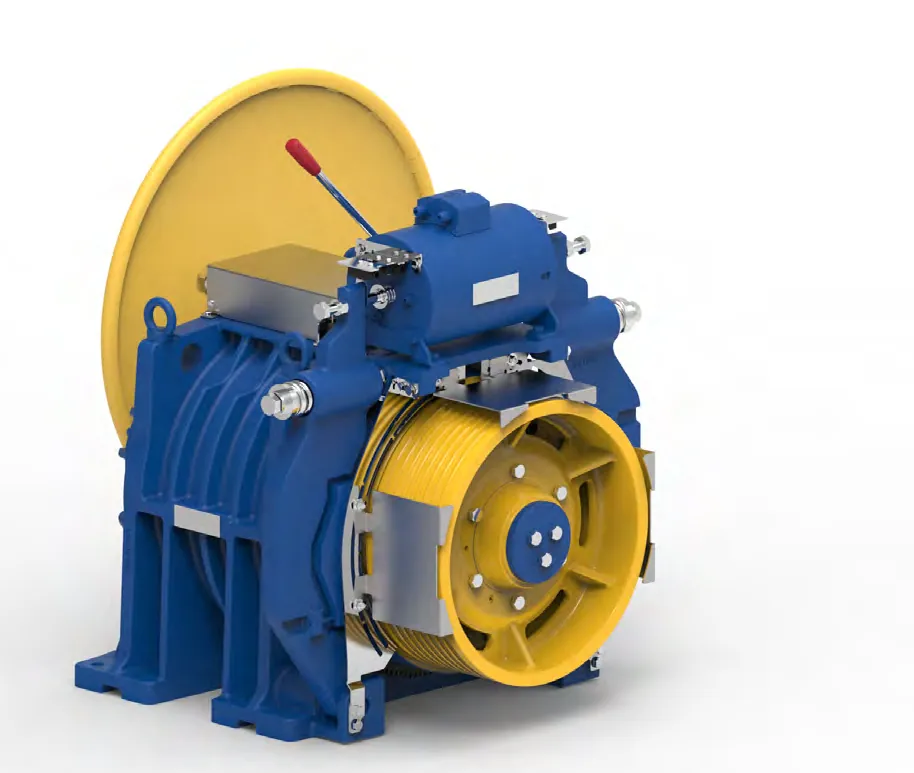
- Machine: geared machines are louder than gearless ones; worn bearings cause squealing.
- Guide rails: misaligned rails or uneven rail joints cause vibration and a "jolt" as the cabin passes.
- Doors: misaligned landing or car doors and worn rollers cause knocking when opening and closing.
- Cabin fan, relays, reactors in the control panel.
- Structure-borne sound: machine and rail brackets fixed rigidly to a shaft wall next to a bedroom.
2. How ride quality is measured
ISO 18738-1 sets out how to measure lift ride quality: acceleration, jerk, vibration in each axis and sound level in the cabin. Studies of traction lift ride comfort often combine ISO 18738-1 with ISO 2631-4. For homes, a common reference is the German sound insulation standard DIN 4109-1:2018, which limits maximum noise from fixed building services in living rooms and bedrooms to 30 dB(A). For comparison, some screw-drive lift makers quote operating noise of about 38 – 55 dB, similar to a dishwasher.
3. Equipment solutions
- Permanent-magnet gearless machine, quiet at low speed.
- VVVF inverter for soft starts and levelling.
- Anti-vibration rubber pads at the machine bed, rail brackets and car frame.
- Roller guide shoes for faster lifts; well-lined sliding guide shoes for home lifts.
4. Installation solutions
- Align rails accurately plumb and grind rail joints flush.
- Balance the cabin and adjust landing and car doors to the correct clearances.
- Torque rail bracket bolts correctly and recheck them after the running-in period.
5. Architectural solutions
- Avoid placing a bed head against the shaft wall; if unavoidable, build a double wall with an acoustic layer.
- Thick concrete shaft walls transmit less sound than thin brick walls.
- Place the control panel away from bedrooms, in a well-ventilated spot.
6. Maintenance keeps the lift quiet
Most noise that appears after a few years comes from insufficient maintenance: dry rails, worn door rollers, loose bolts. Servicing on schedule and dealing with any unusual noise straight away keeps the lift as smooth as on handover day.
Frequently asked questions
Why does my lift make a noise when it stops at a floor?
Usually the inverter settings need tuning, the brake needs adjustment, or the rails and guide shoes need servicing. Ask your maintenance provider to check.
Is a shaft next to a bedroom acceptable?
Yes, with a gearless machine, anti-vibration pads and a shaft wall that is thick enough or has an acoustic layer.
Is a glass lift noisier than a lift in a concrete shaft?
Mechanical sounds are easier to hear through thin glass walls; correct installation and good maintenance keep this to a minimum.
- ISO 18738-1:2012 – Measurement of ride quality, Part 1: Lifts (ANSI preview)
- Assessment of ride comfort of traction elevators using ISO 18738-1 and ISO 2631-4 (Emerald)
- KESSEL – Schallschutzvorgaben (DIN 4109-1:2018, table 9), in German
- Cibes Lift Vietnam – screw-drive lift operating noise figures, in Vietnamese
This article is for general reference. Figures for each project follow the site survey and the lift supplier's drawings; regulations may be updated, so owners should check the original texts.

Engineers who survey and install home lifts at Vinhomes Ocean Park and Vinhomes Global Gate.