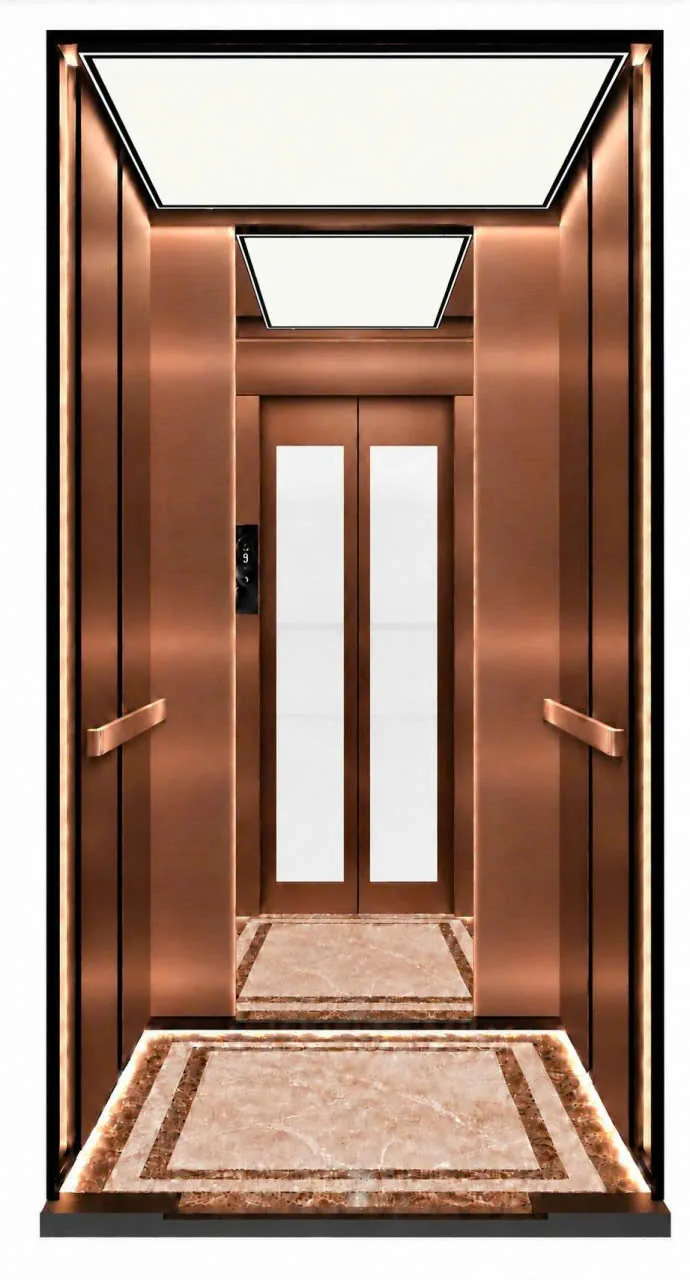
Traction, hydraulic or screw drive: comparing 3 home lift technologies
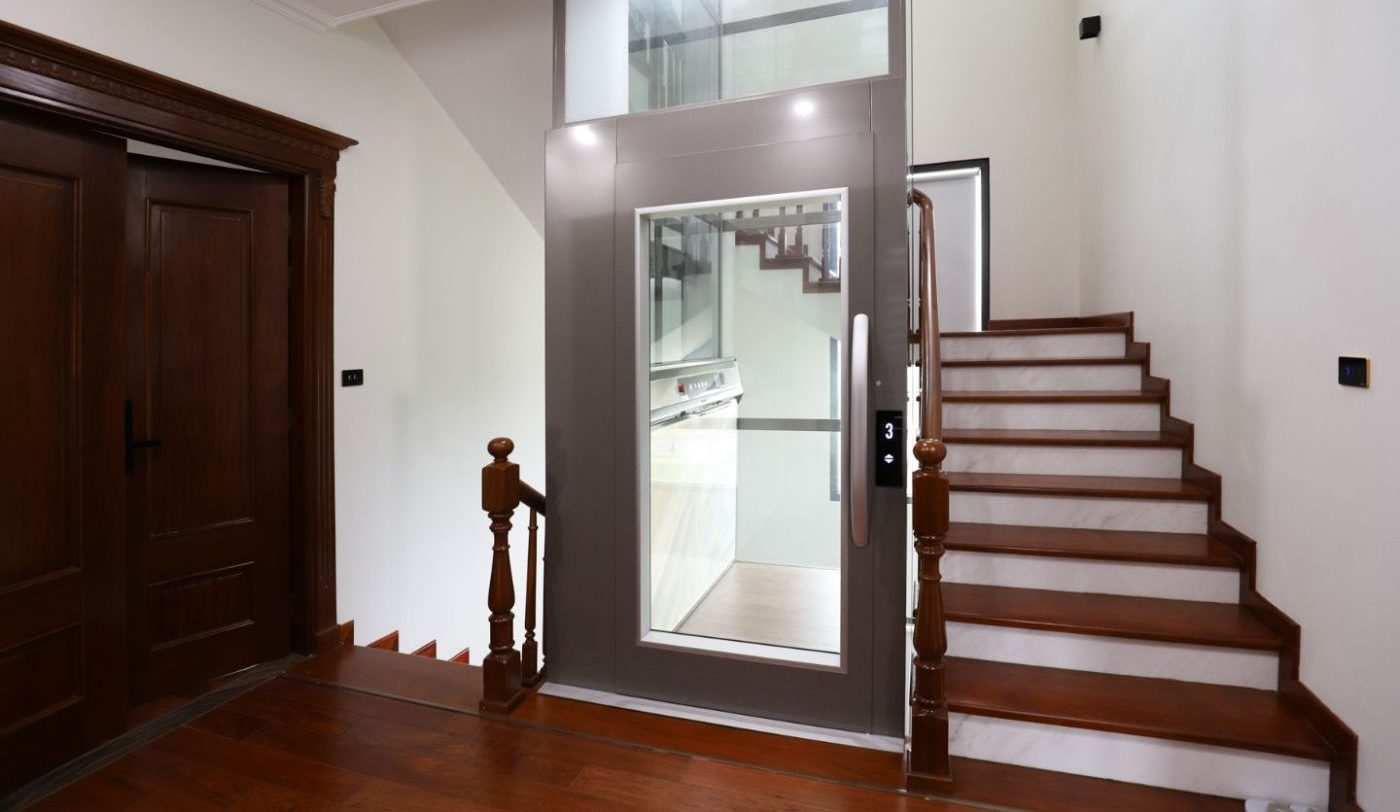
In Vietnamese townhouses, machine-room-less traction lifts are the majority. But for finished houses, low-rise homes or where a pit cannot be dug, screw-drive and hydraulic lifts deserve consideration. Each technology has its strengths; none is "best for every home".
1. How the three types work
- Traction: the machine turns a sheave and ropes or belts pull the cabin up and down; a counterweight balances part of the cabin's mass, saving energy.
- Hydraulic: a pump pushes oil into a cylinder to raise the cabin; on the way down, oil returns to the tank through a valve.
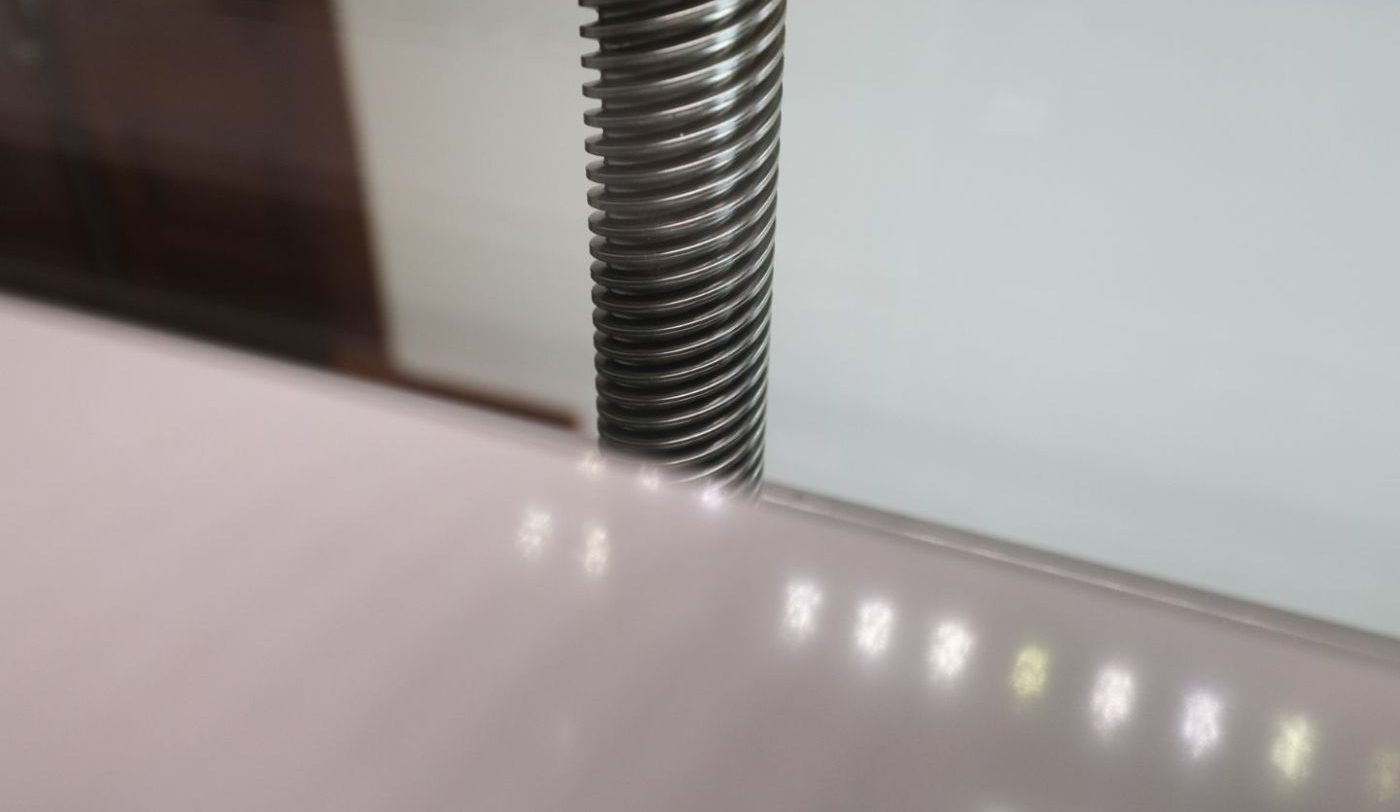
- Screw drive: a motor turns a threaded screw or nut; the cabin is attached to the nut and travels along the screw, with no ropes and no counterweight.
2. Quick comparison table
| Criteria | Traction | Hydraulic | Screw drive |
|---|---|---|---|
| Typical speed (homes) | 0,4 – 1,0 m/s | about 0.15 – 0.3 m/s | about 0.15 m/s |
| Pit | 400 – 600 mm | usually 150 – 300 mm | 50 – 100 mm |
| Machine room / pump unit | Not needed (MRL) | Space needed for the pump and oil tank | Not needed |
| Suitable number of floors | 2 – 7 floors | 2 – 4 floors | 2 – 5 floors |
| Main maintenance | Ropes/belts, brake, sheave, rails | Oil, seals, valves, pump | Screw, nut, lubrication |
| Energy use | Low thanks to the counterweight, can regenerate | High when travelling up | Moderate |
Reference values for residential lifts; exact figures depend on each manufacturer and model.
3. Traction lifts
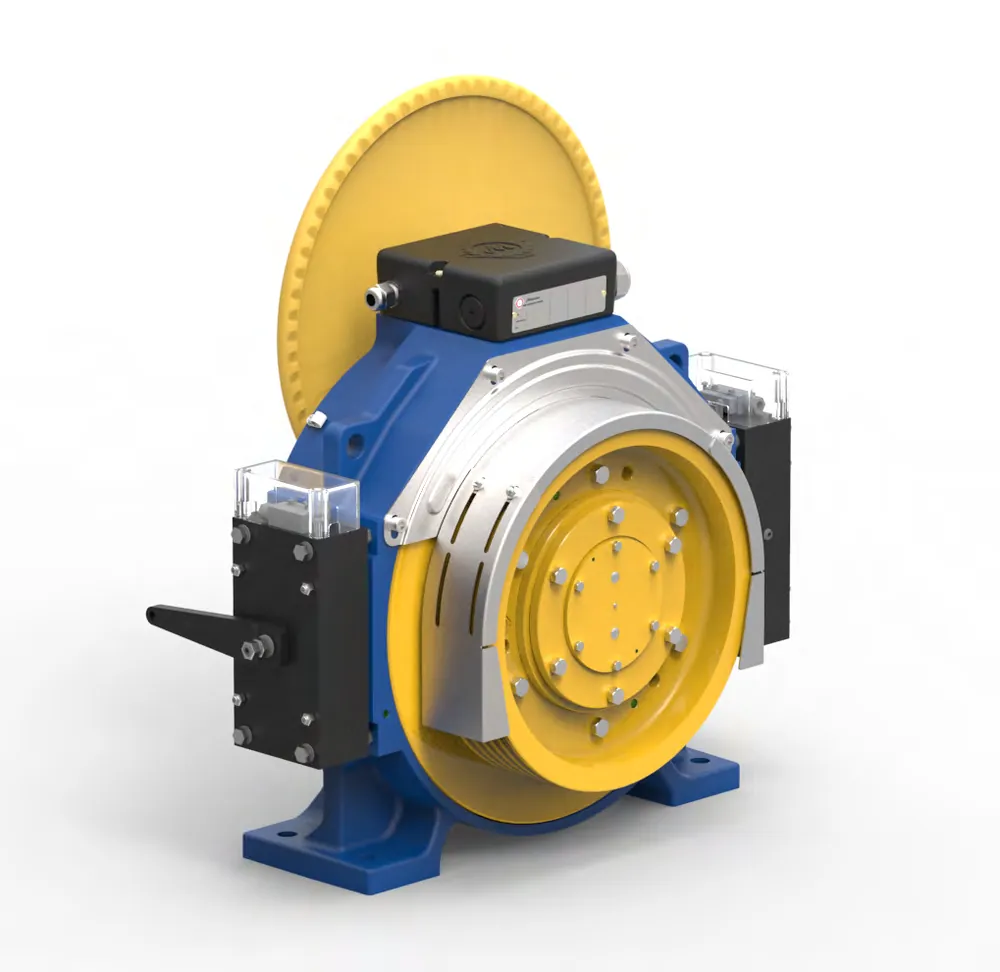
A traction lift with a permanent-magnet gearless machine and VVVF inverter is the most common configuration for 4 – 7 storey townhouses: fast, smooth, energy-efficient and with no machine room. In return it needs a sufficient pit and headroom, and a solid shaft to fix the rails.
4. Hydraulic lifts
Hydraulic lifts start softly, handle heavy loads well, need a shallower pit than traction lifts and little headroom because there is no machine at the top of the shaft. On the downside they need space for the pump unit and oil tank, oil leaks and seals must be checked, and they use more energy when rising because there is no counterweight. In the US, comparisons show hydraulic home lifts often cost less to install than traction lifts, but in Vietnam they are uncommon in tall townhouses.
5. Screw-drive lifts
Screw-drive lifts need almost no pit (50 – 100 mm), no machine room and little headroom, and usually come with a modular aluminium-glass shaft, so they suit renovations and finished homes very well. A safety nut holds the cabin if the main nut wears; because drive is direct between screw and nut, the cabin cannot free-fall, so this line does not need buffers like a traction lift. Some manufacturers quote speeds of 0.15 – 0.25 m/s and installation in only about 7 – 10 days. The limitation is the low speed (about 0.15 m/s), better suited to low-rise homes and elderly users than to 6 – 7 storey houses with heavy traffic.
6. Choosing for your house as it is
- New 4 – 7 storey house with a concrete shaft: machine-room-less traction lift.
- Occupied house where no pit can be dug, 2 – 4 floors: screw-drive lift in an aluminium-glass shaft.
- Low-rise house carrying heavy loads (powered wheelchair, furniture): consider hydraulic or a high-capacity traction lift.
- Narrow shaft: a counterweightless lift for the largest cabin.
Frequently asked questions
Are screw-drive lifts safe?
Yes, when they meet the standards and are properly maintained. Screw-drive lifts have a safety nut, run slowly and usually have battery rescue; the screw and nut need lubrication and periodic wear checks.
Should a 6-storey house use a screw-drive lift?
Usually not ideal, because the low speed makes journeys long; a traction lift suits houses with many floors better.
Do hydraulic lifts use a lot of electricity?
They use more when going up because there is no counterweight, but with the few trips made in a home the difference is small.
- Retirement Living – Traction vs. hydraulic home elevators
- Inclinator – Safety code for elevators (ASME A17.1 Section 5.3)
- EN 81-41:2024 – Vertical lifting platforms (EVS)
- Cibes Lift Vietnam – Screw-drive lifts for renovated homes (reference specifications), in Vietnamese
- Cibes Lift Vietnam – Lift buffers: construction, types and role, in Vietnamese
This article is for general reference. Figures for each project follow the site survey and the lift supplier's drawings; regulations may be updated, so owners should check the original texts.

Engineers who survey and install home lifts at Vinhomes Ocean Park and Vinhomes Global Gate.