Power cut while riding the lift: how ARD works and what your family should do
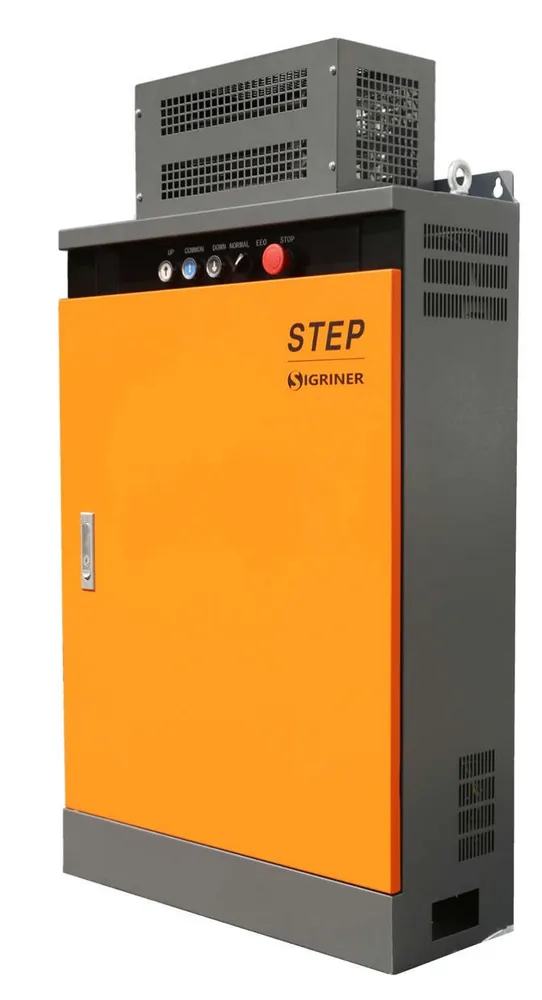
A mains power cut is something every home lift will face during its life. What matters is that the lift stops safely, passengers get out quickly and nobody has to force the doors. That is the job of the automatic rescue device (ARD).
1. What happens in a power cut
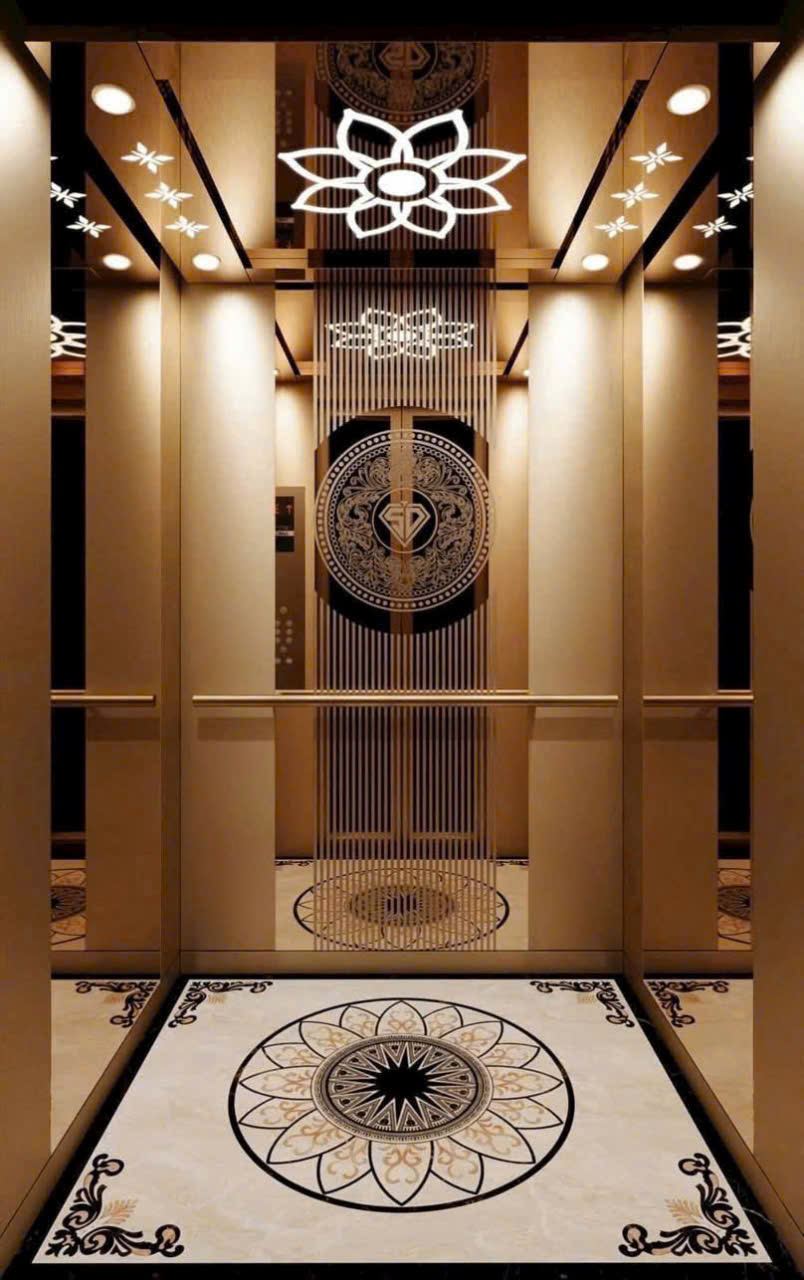
When power fails, the machine brake closes and holds the cabin in place. The cabin may be between floors, so the doors cannot open. Emergency lighting in the cabin comes on (EN 81-20 requires car lighting and emergency lighting), and the alarm or emergency intercom keeps working on backup power.
2. How ARD works
- On detecting a mains failure, the ARD switches to battery power.
- The controller determines the "light-load" direction (whether the cabin or the counterweight is heavier) to use the least energy.
- The cabin travels slowly to the nearest floor and stops level with it.
- The doors open automatically and passengers walk out; the lift then locks until power returns.
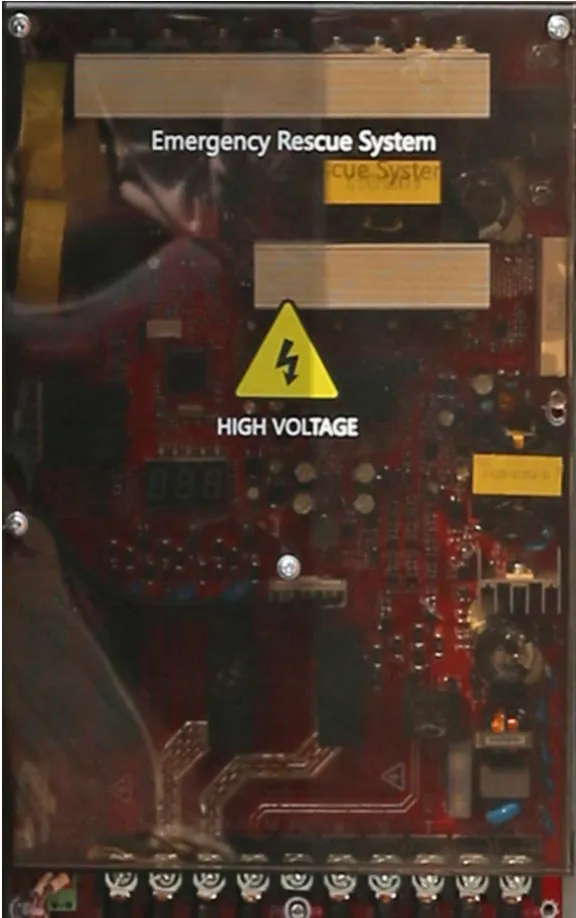
An ARD for a home lift is usually rated at 600 – 1,200 W to match the inverter and uses 2 – 4 batteries of 12 V. The whole process usually takes only a few dozen seconds.
3. Rescue requirements in the regulations
QCVN 32:2018/BLĐTBXH (section 3.11) requires home lifts to have a rescue system:
- Manual rescue: moving the cabin to the nearest landing; if the machine cannot be reached, a brake release device must be located outside the shaft, with a way to identify the cabin position.
- Electrical rescue: controlled from a rescue panel outside the shaft by holding a button, with an indication of the direction of travel.
- Manufacturer's procedure: instructions and training for users to deal with emergencies.
ARD adds a layer of automation so that most power cuts are handled without manual rescue.
4. If you are trapped in the cabin
- Stay calm; the cabin is held safely by the brake
- Press the alarm button or emergency intercom in the cabin
- Call a family member and the maintenance hotline posted at the landing door
- Do not force the car or landing doors and do not climb out
- Wait for a technician or a person trained in rescue
Young children should not ride the lift alone; elderly members should carry a phone when using it.
5. Maintaining the ARD and batteries
- Check battery voltage and test the rescue function at every service visit.
- Batteries are consumables and should be replaced as the manufacturer recommends or when a test fails.
- Place the control panel in a well-ventilated spot; heat shortens battery life.
Every ASAHI lift installed in a home is fitted with ARD automatic rescue and an anti-trap light curtain, and the rescue function is tested before handover.
Frequently asked questions
Can I get stuck in a power cut if the lift has ARD?
ARD brings the cabin to the nearest floor and opens the doors automatically, so in most cases passengers are out within a few dozen seconds.
How long do ARD batteries last?
It depends on the battery type and ambient temperature; they should be checked at every service and replaced when a test fails.
Should I force the doors open if I am trapped?
No. Press the alarm, call the hotline and wait for trained rescuers.
- Occupational safety requirements for home lifts in rescue operations (Luật Minh Khuê, in Vietnamese)
- QCVN 32:2018/BLĐTBXH – Home lift safety regulation (Hệ thống pháp luật, in Vietnamese)
- KONE – EN 81-20 Safety Standard Fact Sheet (car & emergency lighting)
- Inclinator – Safety code for elevators (backup power, emergency lights)
This article is for general reference. Figures for each project follow the site survey and the lift supplier's drawings; regulations may be updated, so owners should check the original texts.

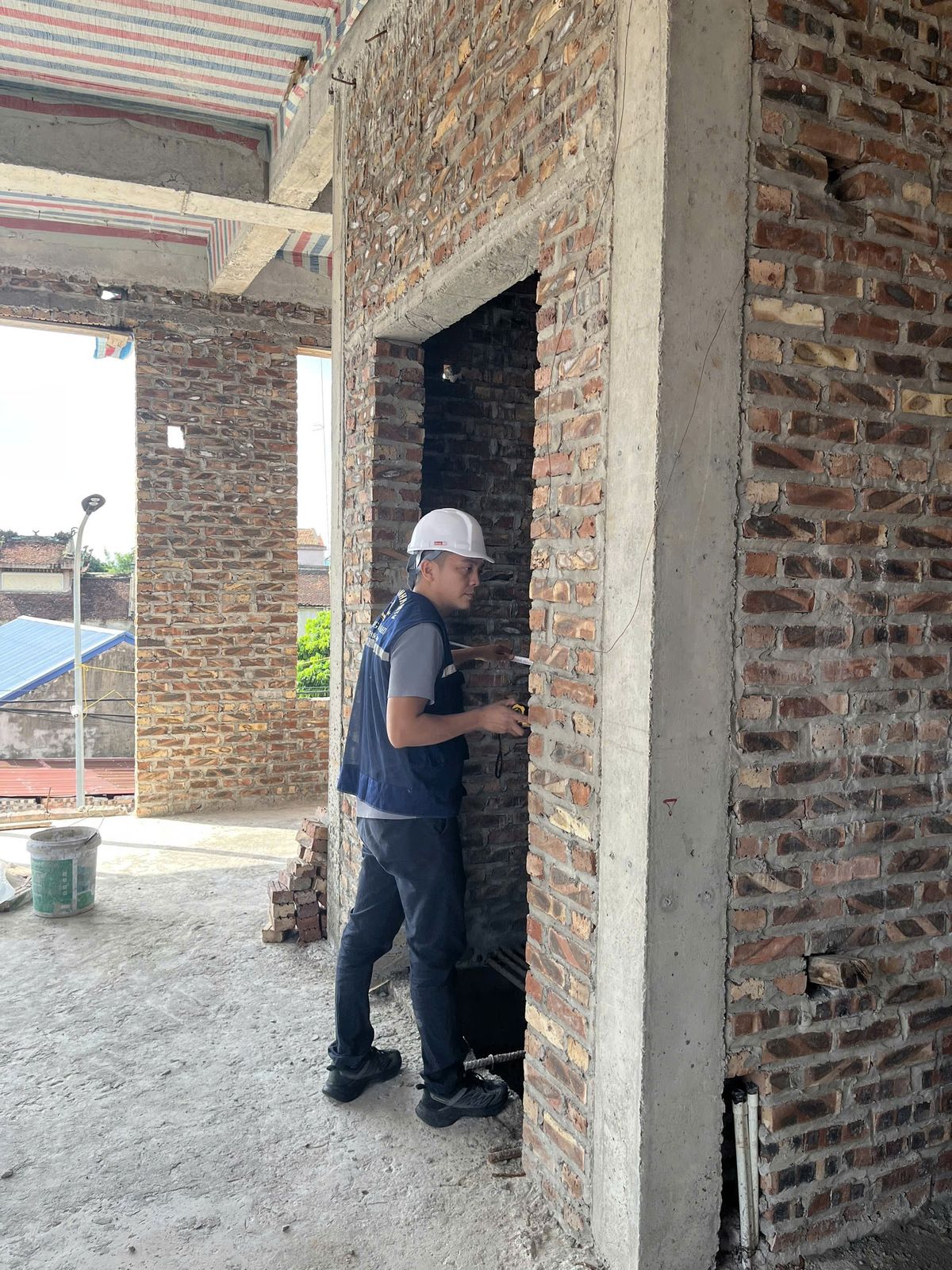
Engineers who survey and install home lifts at Vinhomes Ocean Park and Vinhomes Global Gate.